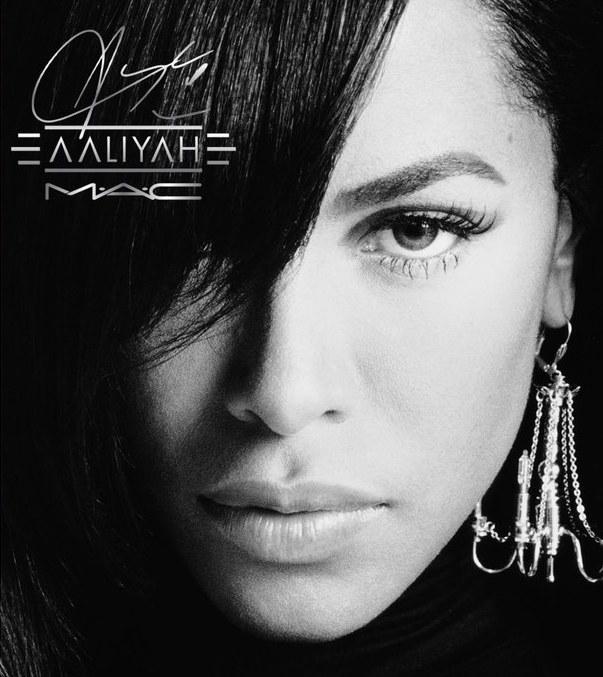
Reminiscent of Aaliyah’s street but sweet persona, the collection features moody shades alongside saccharine peachy nudes in glossy burgundy packaging.

Match your customers’ skin tones. Directly from your website. Without downloading any apps.
Reminiscent of Aaliyah’s street but sweet persona, the collection features moody shades alongside saccharine peachy nudes in glossy burgundy packaging.
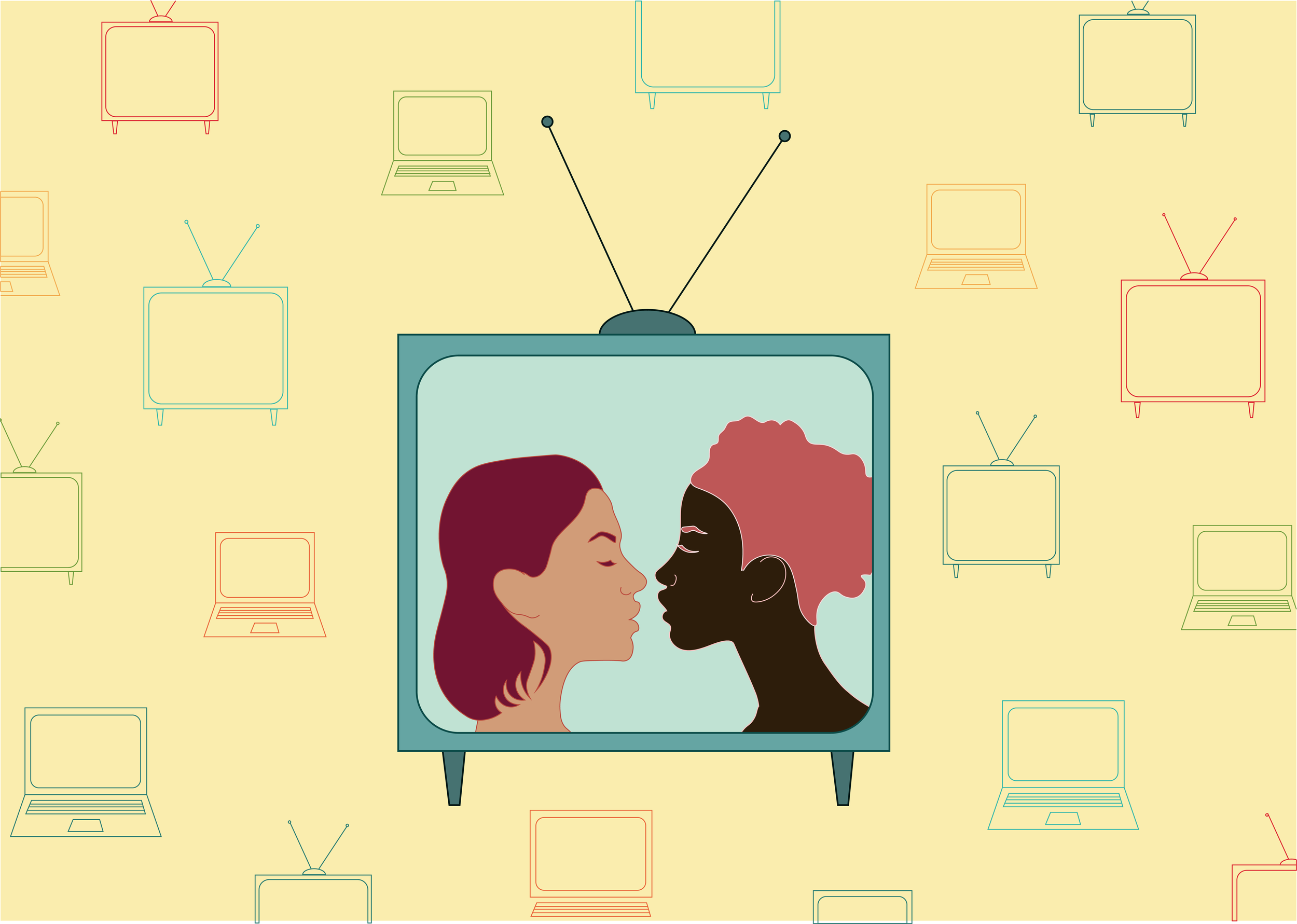
More, now than ever, does our media need to focus on the representation of marginalized groups. Representation makes people feel seen and understood and not alone and not strange. Queer characters as one-dimensional sidekicks without happy endings aren’t the move; it just won’t fly anymore.
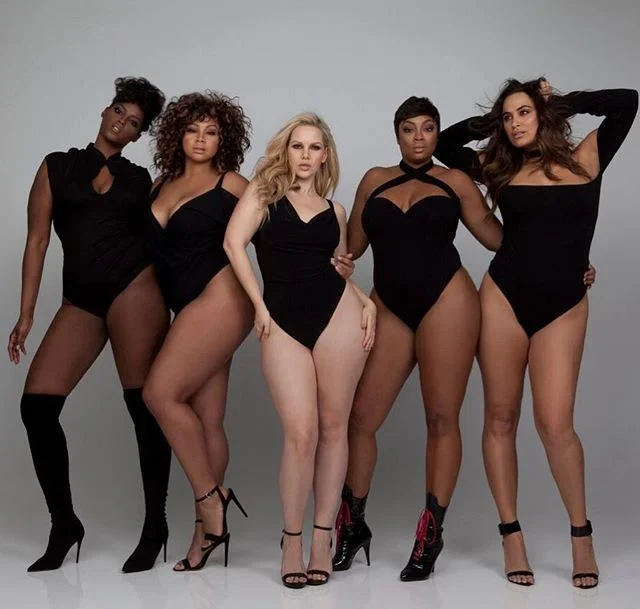
The first installment from the campaign, for which Crosse and Michael served as creative directors with assistance from acclaimed hair stylist Yancey Edwards and stylist Steffany Allen, is a photo shoot (shot by Ken Robinson) that features models of different sizes, ages, and races. The social media campaign highlights these models in an editorial manner to shutdown the notion that beauty comes in one package.
In our ever evolving and changing world, new issues arise that draw attention to the infinite faults in our society. The fight for inclusion in all senses has been an uphill battle for centuries. In 2018, there are countless people striving for inclusion in the fashion industry, in the workplace, in school, and elsewhere.
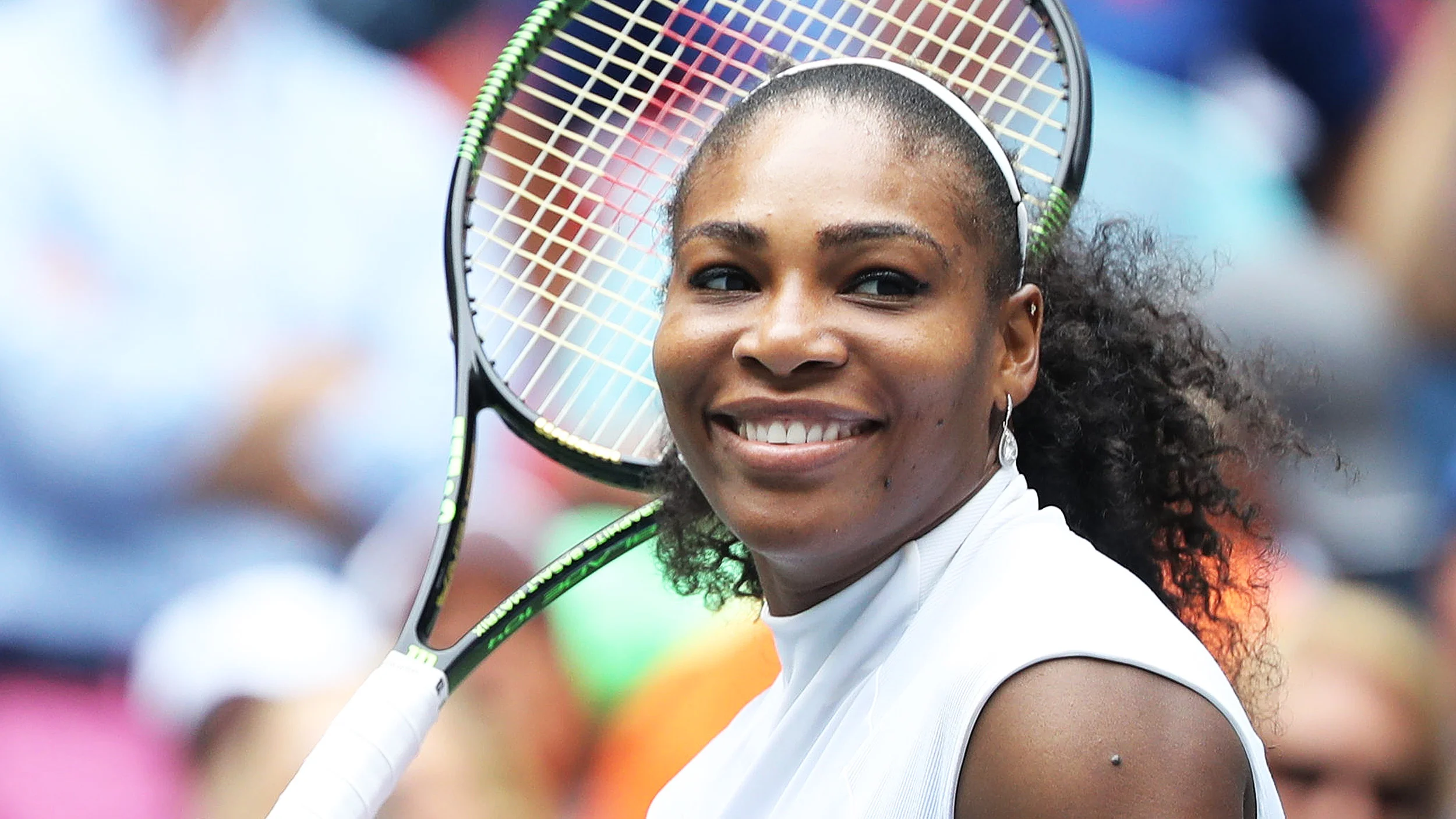
In a recent interview, world renowned tennis star Serena Williams was asked an appalling question by Inside Tennis reporter Bill Simons. She was asked if she finds her tennis opponent, Maria Sharapova, intimidating because of her “supermodel good looks.” This was at the end of a spiral of inappropriate and condescending remarks during the interview.
AI trained via deep learning takes in millions and millions of images, words, videos, etc. in order to teach itself. However, if the data itself is biased, the algorithm will replicate that same bias. Which can be frustrating.
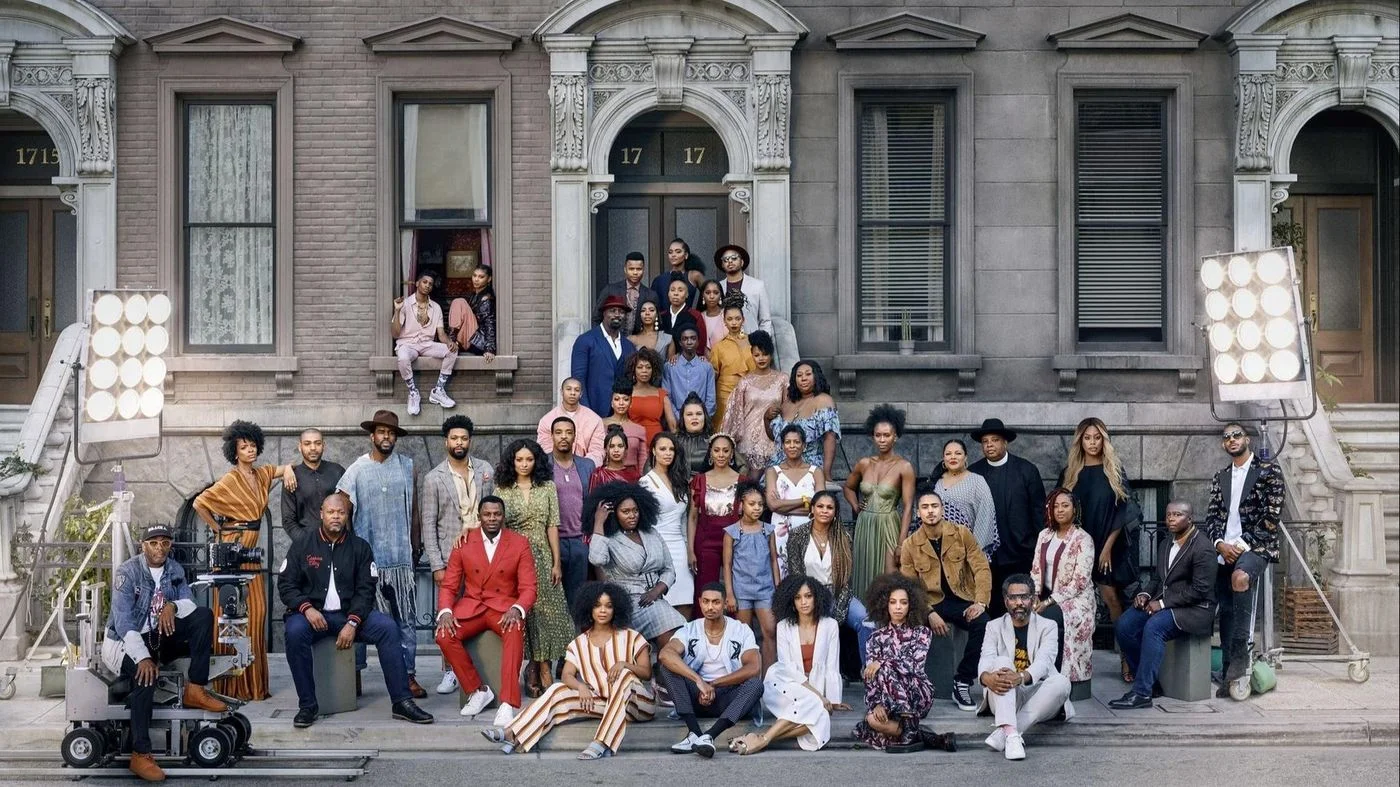
On Sunday, June 24th 2018, Netflix released an advertisement focused on celebrating over 40 black actors, directors, and creatives.
The need for inclusion and diversity is important now more than ever. Representation of art from all parts of the world is an important and necessary step towards inclusion. While the Google Arts and Culture app is just a small piece of the puzzle, the recognition of prejudice in any way is a positive start.